 Connect
Written by Rear Admiral (ret.) Matt Ott, VP of Strategic Partnerships and Alliances
The mission for acquisition experts is clear: equip the warfighter with the decisive advantage. But for program managers and leaders in the DoW, the path to delivering that capability is anything but. It’s a landscape obscured by the "fog of war," not on the battlefield, but in the acquisition process itself.
The acquisition community is facing a perfect storm of challenges in 2026 and needs new solutions to succeed. Organizational shifts, siloed processes, outdated technology, unpredictable funds, decisions that are OBE by the time they are communicated—the list goes on. The sheer complexity of these issues often leads to paralysis. Data overload masks critical insights. Stakeholders are misaligned. Decisions are delayed. This is where we believe working visually is not just helpful; it's a strategic imperative for national security.
From my vantage point as a former Rear Admiral who navigated this ecosystem for over 32 years, the 4 challenges below should be a priority along with the solutions I believe will help tackle them.
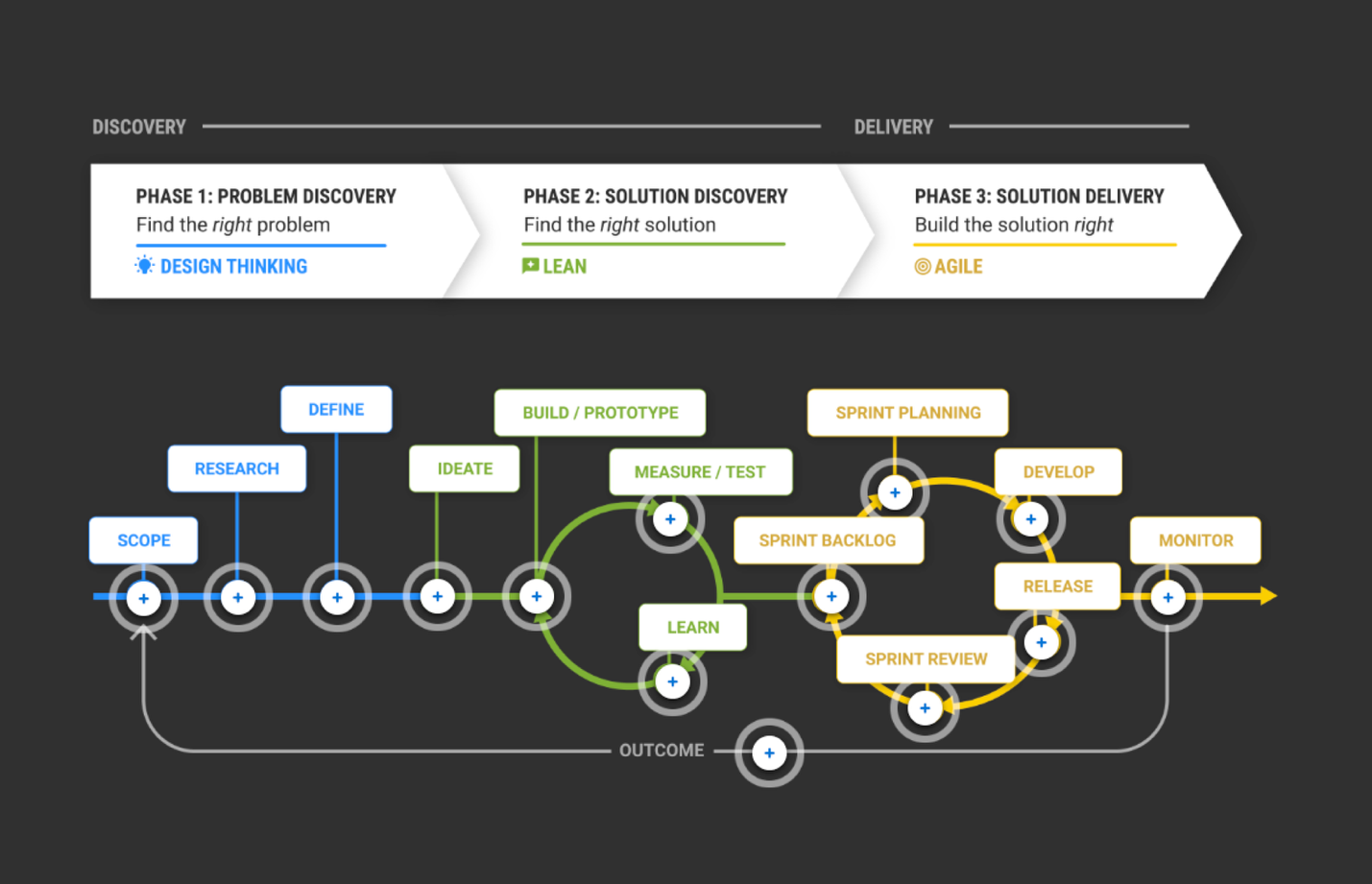
The Challenge: The Department is racing to integrate software, AI, and data analytics at the speed of relevance. Yet our acquisition processes are still largely rooted in an industrial-age, hardware-centric mindset. Treating continuous software development like linear aircraft procurement results in capabilities that are obsolete by the time they are fielded. Injecting COTS and innovative tools can help, but ROI is hamstrung by the underlying processes that prevent efficient progress.
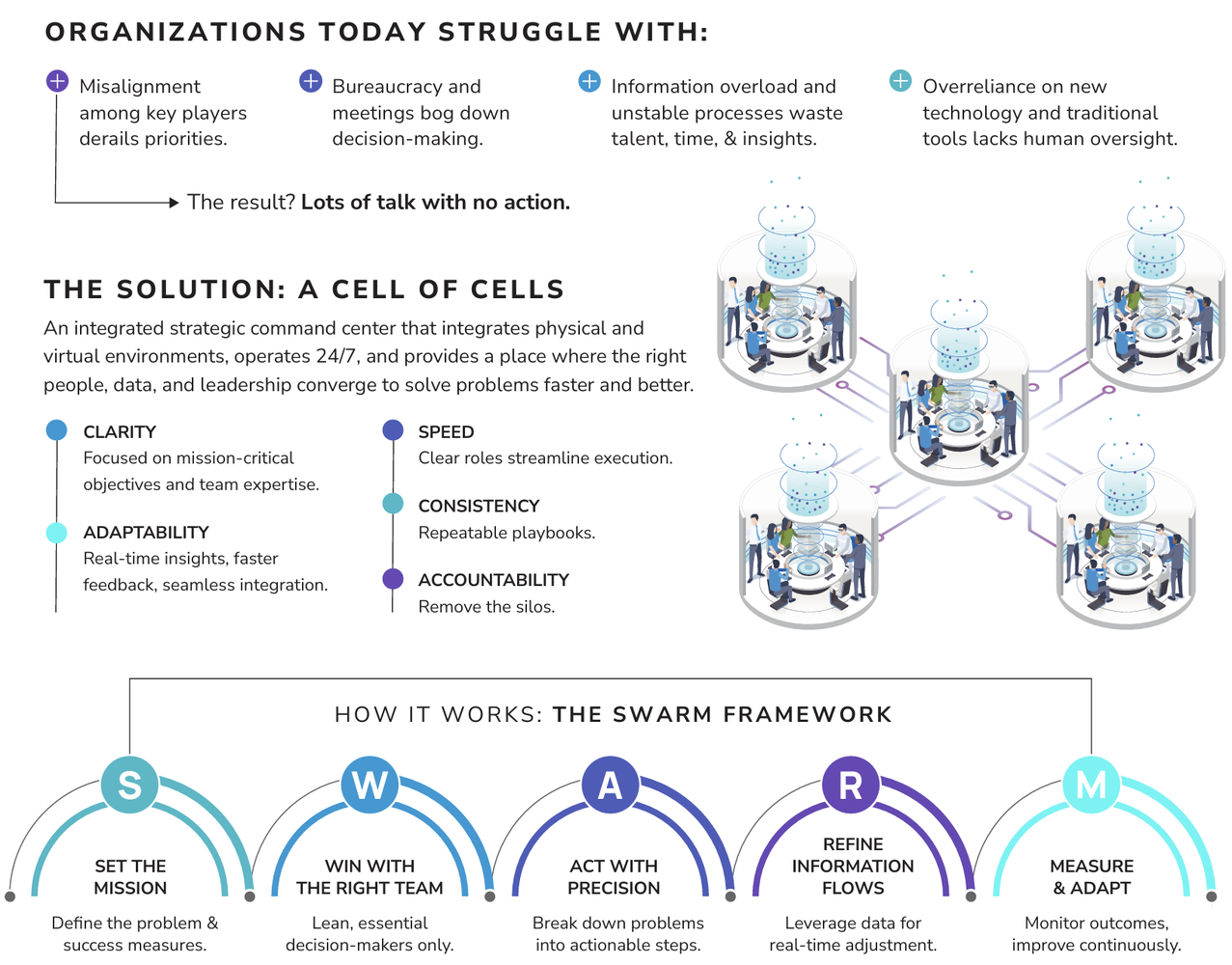
The Challenge: Lack of visibility into lower-tier suppliers is a crucial blind spot for the entire DoW. This opacity hides risks ranging from reliance on adversarial nations for critical components to single points of failure that can halt an entire program .
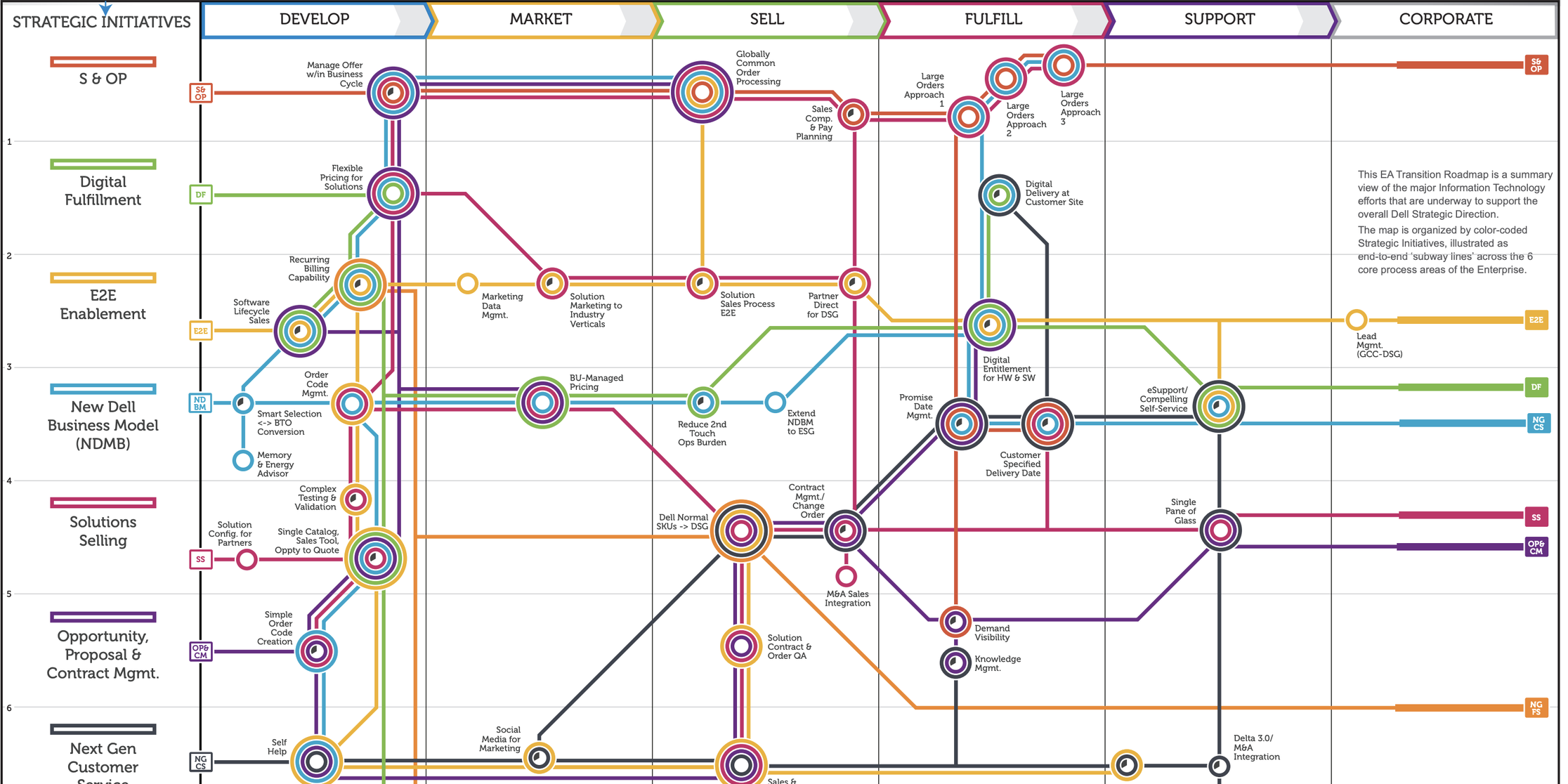
The Challenge: You cannot manage 21st-century programs with a 20th-century skillset. There is a critical shortage of personnel with expertise in areas like software engineering, data rights, AI, and legacy to COTs acquisition. The current workforce is stretched thin, and recruiting for these in-demand skills is a fierce battle with the private sector.
As the defense acquisition landscape evolves, leaders face uncertainty and complexity that demand decisive action. In a time of American Dynamism, we need to flip the script. Most spend 90% effort on the problem and 10% solutioning. Instead, we need to be spending 90% solutioning to bust through the Acquisition Fog of War. Think creatively, iterate quickly, decide confidently, and communicate clearly.
A wise boss empowered me at a young age to “Press the Attack,” a powerful initiative to boldly lead, integrate, and move visualization to execution. Our adversaries have a vote, but we must expect every known and unknown, move in advance, and must have the playbooks ready to drive efficient, accurate action.
Yes, the Acquisition Fog exists. But cutting through it to execute is what matters most.
Let’s go.
Rear Admiral (Ret.) Matt Ott, VP of Strategic Partnerships and Alliances





.png)
